
My HTMA Results and Takeaways
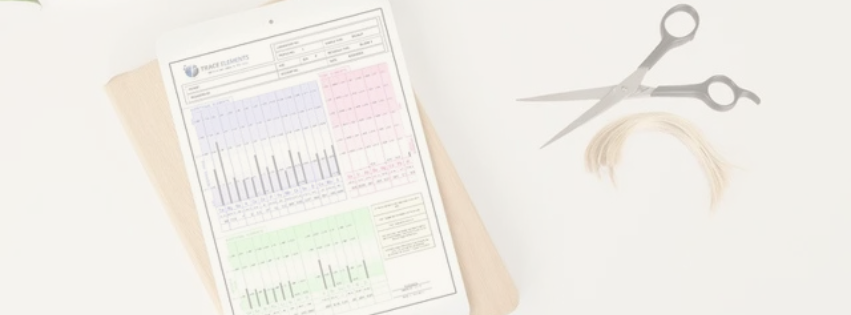
If you’ve been following along with my journey, you know that I recently completed a Hair Tissue Mineral Analysis (HTMA). Today, I want to share my personal results, key takeaways, next steps, and why this test was truly so valuable for me.
I chose to run an HTMA because it provides insight that many other tests simply cannot — and that’s coming from someone who has done a wide variety of functional testing over the years.
Why HTMA Is Different
HTMA is a simple hair sample test, but its value lies in what hair represents. Your hair acts as a time capsule, reflecting the minerals and toxic metals your body has been storing over the past several months. Unlike blood work, which offers only a snapshot of what is happening at a single moment in time, HTMA reveals longer-term patterns.
Even more importantly, this test shows what is occurring inside your tissues, not just what is circulating in your bloodstream. This gives us a deeper understanding of how your body is actually using — or losing — minerals.
Another reason I love HTMA is that it provides insight into multiple systems at once. From one test, we can assess patterns related to stress and adrenal function, thyroid health, blood sugar regulation and metabolism, and even hormone balance. Most functional tests are chosen based on specific symptoms and target only one system. HTMA, on the other hand, gives a broad, foundational overview and helps guide what additional testing may be most helpful.
Because hair is an excretory tissue, HTMA can also show whether your body is actively pushing minerals out. This mineral loss can be driven by chronic stress, inflammation, poor mineral utilization, or overworked adrenals. The results can be incredibly helpful in determining which dietary changes or supplements are needed to bring the body back into balance.
My Results
When it comes to HTMA, individual mineral levels do matter, but the ratios between minerals are often even more telling. Here’s what my key ratios revealed:
Calcium/Phosphorus (Ca/P) Ratio – Autonomic Nervous System
My Ca/P ratio was slightly elevated, indicating parasympathetic dominance — a “rest and digest” state. This often aligns with fatigue or exhaustion, which I do experience at times. Because this ratio is closely tied to stress, I was encouraged to see it only slightly out of range, especially since stress reduction is something I’ve been intentionally working on.
Sodium/Potassium (Na/K) Ratio – Stress & Vitality
This ratio was in range, which I was thrilled about. A balanced Na/K ratio indicates healthy vital reserve — essentially excess energy that can be used to manage daily stress or support other systems. When this reserve is depleted, the body struggles to function optimally.
Calcium/Potassium (Ca/K) Ratio – Thyroid Function
My Ca/K ratio was elevated, which can indicate sluggish thyroid activity or a lower metabolic rate. This ratio is closely connected to adrenal function, and when adrenals are overworked, we often see thyroid function slow as well. Because this has been an area of focus for me, I plan to order a full thyroid panel to gather more information.
Sodium/Magnesium (Na/Mg) Ratio – Adrenal Function
This ratio was at the low end of the optimal range, which aligns with my elevated Ca/K ratio. I’ll continue prioritizing stress reduction and adrenal support.
Calcium/Magnesium (Ca/Mg) Ratio – Blood Sugar Regulation
My Ca/Mg ratio was at the high end of the target range, which can correlate with episodes of low blood sugar.
Zinc/Copper (Zn/Cu) Ratio – Hormonal Balance
This ratio was elevated, which can sometimes point to estrogen dominance or copper toxicity. In my case, additional markers showed copper levels were normal. Since I’ve also completed hormone testing in the past and know my estrogen is within range, this was not a major concern for me personally.
Key Takeaways & Next Steps
So what’s next? Here’s how I’m moving forward based on my results:
Investing in a Continuous Glucose Monitor (CGM)
This has been on my radar for a while. While I aim to keep all meals blood sugar balanced, a CGM will provide real-time feedback and personalized insight — because everyone’s body responds differently.
Supporting My Major Minerals
My four primary minerals — calcium, magnesium, sodium, and potassium — were all on the lower end. I plan to switch to an electrolyte blend with higher sodium, increase calcium-rich vegetables, and adjust my daily vitamin routine to better support these deficiencies.
Adding Vitamin D and Potassium
Vitamin D deficiency is commonly seen alongside hypothyroid patterns, so I’ll be adding both vitamin D and potassium to my supplement routine.
Ordering a Full Thyroid Panel
This will allow me to better understand what’s happening beneath the surface and determine whether additional support is needed.
Continuing Digestive Enzymes
Low stomach acid is commonly associated with my mineral patterns, so I’ll continue supporting digestion with digestive bitters.
Final Thoughts
Minerals play an essential role in the body — supporting bone and tooth health, nerve and muscle function, energy production, metabolism, fluid balance, and hormone regulation. When minerals are out of balance, you don’t just see it on paper — you feel it.
HTMA is a cost-effective, foundational tool that shows exactly where the body may need additional support. It’s an incredible first step toward deeper healing, better energy, and truly understanding what your body has been asking for.
Get your HTMA Test at a discounted price for the Holidays (price goes back up in January)